Ghost students in Utah’s higher education institutions fraudulently received $834,000 in college aid during the 2025-2026 school year. Auditors spent over 15,000 hours investigating the unlawful activity, leading the Officer of the Commission of Higher Education to recommend designating a task force to help identify fraudulent loans, grants, and scholarship applications.
Utah college auditors suggest that the state legislature allow the Utah System of Higher Education to share student information to identify patterns of illegal activity during the application process.
This phenomenon, which skyrocketed as virtual learning increased during the COVID-19 pandemic, has cost millions in federal funding and hours of labor to detect. Individuals with fake or stolen identities and AI-generated applicants are being admitted to institutions across the nation to collect refund checks that are typically disbursed from financial aid surpluses.
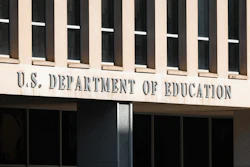
On June 10, the U.S. House of Representatives passed H.R.7892, colloquially known as the No Aid For Ghost Students Act, to require the U.S. Department of Education (ED) to establish an identity fraud detection system for the Free Application for Federal Student Aid (FAFSA).
The ED has revealed that over $180 million in FAFSA stolen. In July 2025, The San Francisco Chronicle reported that 20 percent – about 460,000 – of community college students were fraudulent. California, another state hit hard by ghost students, reported that from March 2024 – March 2025, $3 million in state fraud and more than $10 million federal dollars stolen.
The bill, which was introduced by Rep. Owen Burgess (R-UT), would require ED to implement the system by October 1.
However, financial aid theft is not the only issue ghost students cause. They occupy seats in classrooms that they will never fill, sometimes at the expense of students waiting on the wait list. Fraudsters are also using their student identities to gain access to cloud storage, college-provided email accounts, or VPN usage. Community colleges nationwide are at greater risk due to their less laborious application process.