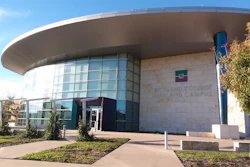
File photo
The report, "Unlocking Opportunity: Eight Strategies for Community Colleges to Improve Post-Completion Outcomes," draws on lessons from 10 pilot colleges that have implemented large-scale reforms aimed at improving students' economic prospects after graduation.
"Community college completion, regardless of what the credential is, should not be the end goal," the report states. While community college graduation rates have increased from 22 percent in 2011 to 35 percent in 2020, only 16 percent of students who start at community colleges earn a bachelor's degree within six years—a figure that has barely changed despite rising completion rates.
The report highlights a troubling disconnect between community college credentials and labor market success. Research suggests only about half of community college workforce credentials lead to graduates earning a living wage. Meanwhile, by 2031, 66 percent of good jobs paying family-sustaining wages will require a bachelor's degree or higher, up from 59 percent in 2021.
"Data show that in labor markets nationwide, the large and increasing majority of good jobs are held by individuals with bachelor's degrees," according to the report.
The eight strategies outlined fall into three categories: strengthening workforce programs, improving bachelor's degree pathways, and enhancing program onboarding. Key recommendations include:
Developing and expanding high-value programs aligned with employer demand and regional labor market needs. At Lorain County Community College in Ohio, for example, the institution partnered with manufacturers to develop a microelectronic manufacturing systems career ladder that includes hands-on instruction and work-based learning.