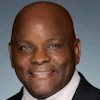
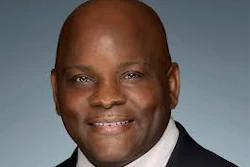
It’s been three decades since Dr. Levi Watkins Jr. made medical history when he stopped the heart of a California woman just long enough to perform the first human implantation of the automatic defibrillator. Watkins, who is African-American, finds it “ironic,” even today, that “women and African-Americans are 30 to 40 percent less likely to get a defibrillator even when they meet the criteria and have the insurance.”
When the idea came to him three decades ago, Watkins told Johns Hopkins Hospital officials that the institution “needed a King program” to mark the birthday of the Rev. Dr. Martin Luther King Jr. each January. Watkins, who orchestrates the popular event and hand picks each star-studded guest speaker, says it’s probably one of the few times at the hospital when janitors, medical students, cafeteria cooks, executives and nurses can “sit down together in one auditorium in the name of humanity.”
Watkins also made himself a pitchman and a champion who was determined to tackle the shortage of minority students and faculty at Hopkins. In 1983, Watkins was appointed to the medical school admissions board, and the recruitment, retention, and graduation rates for minorities climbed to an all-time high for the institution. As many as 14 Black students out of a total of 121 students earned their medical degrees that year.
Over the years, Watkins’ message has remained as constant as a heartbeat: “When you come to Johns Hopkins, you will see your own self” in the faces of the hospital’s Black and minority neighbors, “and you’ll see the world” among the global patients and researchers it attracts.
The presence of his African-American recruits, especially in the hospital’s emergency room, “made them passive role models” for the throng of Black parents and children who passed through, counting on ER care when they couldn’t afford primary care.
Bringing Black patients together with Black doctors was Watkins’ aim. At the same time, Watkins says, incoming students continue to need role models of their own.
“The best way to recruit minority students is by example” and the intervention of mentors, says Watkins. Since 1983, he has also been busy trying to boost the number of African-American and minority medical faculty nationally through his work on the Robert Wood Johnson Foundation’s Harold Amos Medical Faculty Development Program. Its stated mission is racial diversity.
“Students don’t look at recruitment and diversity offices when they are choosing schools, but they want to see if there are faculty and students in the place that look like them,” says Watkins.