In a recent interview with the cast, television host Justin Sylvester said he wished he had seen an openly queer character in the original series because it might have led him to an HBCU. I understand the longing behind that thought. What we see on screen can shape what we imagine is possible for ourselves. His comment also made me think of the Black queer students who were already on those campuses, building friendships and finding room to lead, even when television had no place for us.
I attended Fayetteville State from 2010 to 2014, in the city where I grew up. Openly gay and involved in nearly every part of campus life I could reach, I ran cross country and served in student leadership. During coronation, I represented my residence hall as Mr. Renaissance Hall and later on the Student-Athlete Advisory Committee. Those and other campus court roles meant showing up at public events and meeting university leaders. Studying abroad brought opportunities to return and speak on panels. I made the chancellor's list, earned scholarships and shared dinners with the chancellor, first lady and trustees. I did not have to set aside who I was to enter those rooms.
The relationships matter more to me now than the titles. Some of my closest friends from Fayetteville State are straight men, including men I met outside athletics. They knew me then, and they know my family now. When I left Fayetteville for graduate school, I could ask them to check in on my younger sisters. Through losses in my family, they checked on me, too. Those friendships did not end at graduation. They became part of my village.
That is what I see when Amir is with the other young men at Hillman. Their friendship has room for teasing, advice, vulnerability, and the ordinary messiness of college life, which I know all too well. His sexuality is present, but it does not have to turn every interaction into a lesson about whether he deserves to belong. Hall, who is openly gay himself, has spoken about the responsibility of portraying a character with a full life. Showrunner Felicia Pride and the creative team deserve credit for making that life feel woven into Hillman rather than appended to it.
My own becoming at Fayetteville State unfolded as the university worked to make its campus more inclusive. I participated in Safe Zone education with faculty and university leaders and helped facilitate conversations about LGBTQ students and allies. I also advocated for a dedicated campus office. The Safe Zone Office opened in October 2013. That work gave me another way to contribute to the campus that had given me so much.
Those campus efforts feel especially relevant as the Department of Education formally restores the 2020 Title IX regulations, removing the 2024 rule’s explicit language on sexual orientation and gender identity. The newer rule had already been struck down. Still, the moment reminds me that universities make choices about how to welcome and support LGBTQ students, alongside their obligations under federal law.
As a McNair Scholar at Fayetteville State, I researched how LGBTQ characters were written and portrayed in films and on prime-time and premium television. The question of who gets represented, and how, followed me into a master's program in communication. There I began exploring Black LGBTQ students' experiences at predominantly white institutions, then studied university leaders' responses to a racial campus crisis. My doctoral work in higher education later examined how Black administrators negotiated identity at PWIs. Those questions began at my HBCU, and I watch Amir now as both the student who studied such portrayals and the student who lived a fuller HBCU story than television had shown.
When I graduated, Fayetteville State inducted me into the Order of the Bronco, a recognition of student leadership and service. That mattered to me as an openly gay Black man. The university was honoring my contribution as part of its own story. The following year, a professor connected to our LGBTQ advocacy nominated me for the National Black Justice Coalition's inaugural 100 Leaders to Watch recognition. I received that honor in 2015 because someone at my HBCU saw my leadership and my Black LGBTQ identity together.
Years later, I returned for homecoming as Mr. Black Fayetteville USA, rode in the parade and spent the football game in the chancellor's box. I had once stood in campus coronations as a student representative. Now I was returning to those university traditions as an alumnus with another title and the same sense of connection. I later joined Alpha Phi Alpha Fraternity, Inc. I trace much of the confidence, mentorship and access that made my life beyond campus possible to Fayetteville State.
I would never offer my story as proof that every Black queer student has been embraced at every HBCU. Some have had painful experiences, and those accounts deserve to be heard on their own terms. My story offers another perspective, too. If we talk only about rejection, we can miss the friendships, institutional advocates and openings that Black queer students have made and found at HBCUs for generations.
That is why Amir matters to me. He gives a wider audience a picture of belonging that was missing from the original A Different World, even though it was never absent from real HBCU life. During LGBTQ History Month, those campus stories deserve to be part of the history we tell, too. I hope viewers who see themselves in him can imagine an HBCU among their possibilities. I hope they also know that long before this reboot gave a Black gay HBCU student such depth on screen, students like me were living full lives and helping our campuses become more welcoming for those who came next.
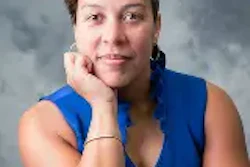
Branden D. Elmore, Ph.D., is program coordinator for TEC-HEROES at QEM Network HQ in Washington, D.C. and a Fayetteville State University alumnus. His research and writing explore higher education, institutional culture, identity and belonging.