The proportion of first-generation college students enrolled in U.S. degree-granting institutions has declined from 66% to 53% between 1996 and 2020, according to a research brief released by the Pell Institute for the Study of Opportunity in Higher Education.
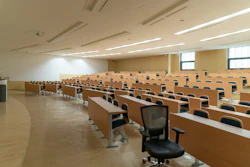
 File photo
The study found that bachelor's degree attainment among adults 25 and older increased from 24% in 1996 to 38% in 2020. According to the report's author, Dr. Sean Simone, vice president for research at the Council for Opportunity in Education and director of the Pell Institute, this trend indicates more families now have at least one parent with a bachelor's degree, reducing the pool of potential first-generation students.
"As the nation becomes more highly educated, we're seeing a smaller proportion of students who qualify as first-generation," Simone said. "But this doesn't mean our work is finished—far from it. Many students still face the same barriers of information, access, and affordability that first-generation students have historically confronted."
The term "first-generation student" was introduced in the 1980 reauthorization of the Higher Education Act to expand eligibility for TRIO programs. The research brief defines first-generation students as those whose parents attained credentials below a bachelor's degree.
 Dr. Sean Simone, vice president for research at the Council for Opportunity in Education and director of the Pell Institute.
COE President Kimberly Jones said the findings highlight both progress and ongoing challenges in maintaining college access.