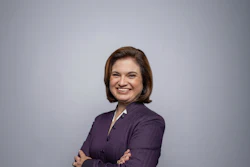
Virginia Gov.-elect Abigail Spanberger
"I am deeply concerned by recent developments at the University of Virginia and how these challenges may impact the legitimacy of the current search for the University's next president," wrote Spanberger, a UVA alumna.
The governor-elect's intervention highlights the ongoing governance crisis at one of the nation's most prestigious public universities, where confidence in board leadership has eroded following Ryan's departure and a series of controversial decisions.
"Over the past six months, the actions of the Board of Visitors have severely undermined the public's and the University community's confidence in the Board's ability to govern productively, transparently and in the best interests of the University," Spanberger wrote.
Central to Spanberger's concerns is the board's current composition, which she claims violates Virginia statutory requirements. While she did not elaborate in her letter, critics have noted that only nine of the board's 12 current members are Virginia residents, falling short of the minimum residency requirements under state law. The university has maintained it is in compliance with those requirements.
Five board vacancies currently exist after the Virginia Senate Privileges and Elections Committee rejected appointees nominated by outgoing Gov. Glenn Youngkin. Youngkin has not attempted to refill those positions since June. When Spanberger is inaugurated in January, she will have authority to make her own appointments to the board, and has indicated she plans to do so promptly.
"That requirement is especially critical for the University of Virginia at this moment, and that legitimate and transparent process must be led by a Board that is fully constituted and commands the trust of the University community and the confidence of the citizens of the Commonwealth," Spanberger wrote.