A new report from the Center for American Progress warns that Trump administration policies targeting legal immigration are undermining America's position as the world's leading innovation hub, particularly in science, technology, engineering and mathematics fields.
The report documents how the administration has revoked more than 6,000 student visas and attempted to terminate records for 4,700 international students studying at U.S. universities. Immigration and Customs Enforcement has detained multiple students and researchers for expressing opinions, including a Tufts University graduate student researching social media's impact on child development who was arrested after writing an opinion piece for her college newspaper.
The policy shifts could cost the economy an estimated $7 billion and eliminate more than 60,000 jobs due to declining foreign student enrollment, according to preliminary research cited in the report. Survey data shows prospective international students are reconsidering studying in the United States, threatening nearly $44 billion in economic contributions and more than 378,000 jobs that international students support nationwide.
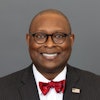
"The United States needs constructive immigration policies that strengthen our economy and increase our competitive advantage, not destructive actions that harm our global leadership," said Ben Greenho, policy analyst for Immigration Policy at the Center for American Progress and co-author of the report. "It's counterproductive and economically damaging to create a hostile environment for these highly qualified workers who could launch the next breakthroughs and create jobs for Americans."
The administration has announced plans to end the Optional Practical Training program, which has existed since 1947 and allows foreign graduates to gain work experience in their field of study for up to 36 months. The administration also proposed a $100,000 fee for new H-1B visa petitions, which universities and schools say could hinder their ability to fill teaching roles in critical STEM fields and affect physicians working in underserved rural areas.
The report details additional enforcement actions that have created fear among foreign students and researchers. U.S. Immigration and Customs Enforcement detained a Russian scientist working in cancer research at Harvard when she arrived in the country for not declaring she was carrying frog embryos for her lab's work. The omission would normally result in a fine, but led to multiple federal criminal charges after a judge ordered her release from immigration detention.
Some immigrants in STEM fields have opted to leave the country in the face of stepped-up mass detention efforts, including a mechanical engineering student at the University of Alabama and a clinical psychology graduate from Harvard University.
The administration also implemented new travel restrictions banning people from 12 countries from coming to the United States on visas and partially banning those from seven other countries. The impact has meant approximately 1,000 foreign medical residents have been unable to come to the United States, risking increased physician shortages in rural areas.
Competitors are moving to capitalize on U.S. policy changes. Canada launched its "Path to Canada" program targeting international students in the United States struggling to find viable work visa options. China has initiated efforts to recruit scientists and students affected by research funding cuts, while Spain is building a research institute to attract American research talent.
 File photo
The report notes the United States faces a significant shortage of AI workers. Although more American students are graduating with computer science degrees, many have not been trained in specialized skills to work in AI, creating workforce gaps that immigrant talent has helped fill.
As part of broader attacks on universities, the administration targeted Harvard University in an attempt to end the institution's ability to enroll foreign students and suspend entry of new international students. The administration also issued subpoenas demanding Harvard turn over data on its international student population, placing confidential information of thousands of students at risk. A federal judge has halted the attempted restrictions on Harvard.
Federal judges have issued temporary restraining orders halting some administration actions, and the administration reinstated records for thousands of affected students amid legal pressure. Federal Judge William G. Young, appointed by President Ronald Reagan, rebuked the administration's detention of students, finding actions were taken primarily on account of First Amendment-protected political speech.
The report argues that instead of attacking legal immigration, the administration should work constructively with Congress to modernize the legal immigration system, which has not been updated since 1990, to welcome talent and secure America's long-term economic future.