Community colleges across the nation are grappling with how to effectively serve a large and remarkably diverse population of students learning English as an additional language, according to a new report examining multilingual learner programs at City Colleges of Chicago.
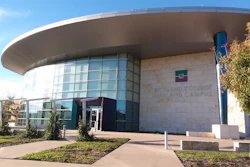
 File photo
The three-year study by the Community College Research Center at Columbia University found that multilingual learners—students in the process of developing English language proficiency—face significant barriers to persistence and completion, even as they represent a substantial portion of the student body at institutions serving immigrant communities.
"Closing the knowledge gap around MLs' characteristics, goals, and needs is therefore critical to ensuring the success of all community college students," researchers wrote in the report released this month.
The study examined City Colleges of Chicago, a seven-college district where 52% of students identified as Latino and 6% as Asian during the 2023-24 academic year. Researchers found that multilingual learners varied dramatically in their educational backgrounds, with some having limited formal education while others held graduate degrees from their home countries.
Among adult education ESL students who responded to a survey, 53% had earned a bachelor's degree, and 24% had also earned a graduate or professional degree. Yet these credentials often went unrecognized in the United States, forcing highly educated immigrants to start over in basic English classes.
The academic outcomes revealed troubling gaps. Adult education ESL students persisted from fall to spring at a rate of 57% and from fall to fall at just 29%, compared with 64% and 38% respectively for all students in credit programs. Only 2.9% of adult education ESL students earned any credential within six years.
"Not surprisingly, given their diverse academic backgrounds and goals, we found lower attainment of progression and completion milestones among AE ESL students at CCC compared with all students in the district's credit programs," the report stated.
Just 4.9% of adult education ESL students enrolled in a credit course at some point during their time at CCC, representing what researchers called a critical missed opportunity for institutions seeking to expand enrollment.
The study documented how City Colleges of Chicago has worked to improve its English language programs while navigating rigid federal and state policy constraints. The district standardized curriculum, adopted new placement tests, and created transition specialist positions to help students move from noncredit to credit programs.
However, challenges remained. The federally approved placement test primarily measured reading comprehension, prompting colleges to develop supplemental "screeners" to more accurately assess students' full range of language skills. Instructors reported the standardized test often placed students too high.
"Every student is at a different level, even when they're in [the same AE ESL] level," one adult educator explained, describing the difficulty of meeting diverse needs within a single classroom.
Beyond language classes, the study found multilingual learners had limited access to support services. Survey data showed these students reported low utilization of tutoring, advising, libraries, and other campus resources compared with other students.
Researchers identified several promising practices, including a bilingual learning community at one college that supported Spanish-speaking students in transitioning to credit coursework. The program showed strong retention results but operated only on a limited scale.
The report called for community colleges to better identify and track multilingual learners across all programs, not just those enrolled in ESL courses. Survey data suggested 65% of students spoke more than one language in their everyday lives, indicating many multilingual learners never take ESL classes yet might benefit from targeted support.
"Community colleges have distinct advantages in responding to ML students' needs and goals," researchers wrote, pointing to the range of programs from basic English instruction through degree pathways and career training.
The study recommended colleges equip more faculty and staff with knowledge about language development, make support services more accessible, and create clearer pathways between noncredit and credit programs.
"MLs remain a large and underserved population in higher education institutions nationally," the report concluded. "Much work lies ahead to identify and scale policies and practices that remove barriers and help more MLs in community colleges reach their education and life goals."
The research was supported by Ascendium Education Group and the Institute of Education Sciences.