Two colleges are implementing new tools designed to streamline enrollment and financial aid processes after researchers found that even small administrative challenges can derail students from completing their degrees.
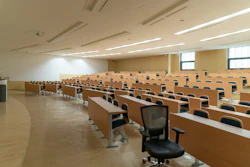
File photo
The interventions address persistent problems first-year students face navigating complex administrative processes—challenges that research shows can lead students to "delay enrollment, reduce their course load, or drop out altogether," the report states.
"Students benefit when these processes are clear, streamlined, and supported with timely guidance," according to the MDRC report authored by Emily Marano and Caitlin Anzelone.
The project developed five main interventions: one-page "journey maps" outlining enrollment and registration tasks; annotated financial aid offer letters; a social belonging exercise featuring authentic student stories; an academic planning guide for advising appointments; and redesigned notices about satisfactory academic progress requirements.
The tools emerged from extensive collaboration between researchers, college staff members, and student advisory panels—paid students who provided firsthand feedback on prototype materials.
One key finding: Students want more personalized support than many staff members have capacity to provide. In feedback sessions, students reported feeling "in limbo" without sufficient guidance, with one saying that navigating processes alone felt "terrifying."
"One of the biggest challenges identified by the OnPath college student advisory panels is that first-year students have insufficient guidance from the college staff as they navigate a large volume of new enrollment, registration, and financial aid information," the report states.
However, some academic advisers resisted using new tools during advising sessions, saying they lacked time to implement them properly. The response indicates "a mismatch between the amount of help students want and the amount of help staff members are able to provide," researchers found.
Students also expressed anxiety about college communications, particularly messages that were long, urgent, or referenced consequences of inaction. One student said receiving a message about an account hold made her feel "like you were in trouble; like, did you do something wrong."
Student advisory panel members said many of their peers "experience anxiety and other mental health challenges while in school, which are intensified by the stressors of unfamiliar processes and college costs."
The project highlights what researchers call "student-centered design"—an approach where students and staff work with researchers to diagnose challenges and create solutions.
Cross-functional implementation teams comprising staff from typically separate departments—such as enrollment, financial aid, and advising—coordinated how resources are distributed to create "a more seamless experience" for students.
Staff members said the collaboration enabled them to work differently. One team member noted that using a student-centered lens "can ensure a better experience for our students and avoid much of the confusion and frustration that they have experienced in the past."
However, staff also reported challenges balancing OnPath work with daily operational tasks and securing buy-in from colleagues outside the implementation teams.
The interventions are being implemented throughout the 2025-2026 academic year. A qualitative evaluation assessing both student experience and institutional implementation is underway, with findings expected in 2027.
The project is funded by Ascendium Education Group and ECMC Foundation.