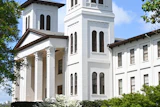
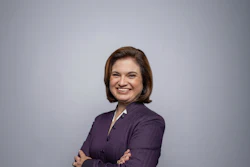
● Rutgers University is facing backlash for cancelling biotech entrepreneur Rami Elghandour as convocation speaker for its engineering school after students reportedly complained about a social media post in which he accused Israel of genocide, NJ.COM reports.
● Elghandour – an ’01 graduate of Rutgers’ engineering school and chairman and CEO of Arcellx — criticized his alma mater for rescinding its invitation after a “few” students complained about his online advocacy for Palestine. “Only those who fear the truth leverage institutional power to silence it,” Elghandour said in a statement posted on X.
● While a university spokesperson said the decision to cancel Elghandour “keeps the focus on our engineering students” and “honors the celebratory spirit of the event,” the decision has drawn rebukes from scholars — including a journalism professor who called the move “incredibly chilling” — and from advocacy groups such as the New Jersey chapter of the Council on American‑Islamic Relations, which accused Rutgers of having a double standard by rolling out a “red carpet” for pro-Israel speakers.
The bigger picture:
Perhaps no issue has been more divisive in higher education as of late than the debate about whether colleges and universities are doing enough to protect free speech on campus or whether in some instances they’re trying to squelch it. The issue — which recently got a fresh airing at a Congressional hearing titled “Speech or Silence? The Future of the First Amendment in Higher Education” — is increasingly playing out during commencement ceremonies that involve speakers who harbor controversial political views that one group of constituents or another find offensive.
The issue of free speech on campus has been particularly divisive as it relates to views on support for Israel versus advocacy for Palestinians. In 2024, thousands of pro-Palestinian protesters were arrested or detained in clashes with university administrators and police. Congress conducted a series of hearings on whether university presidents were doing enough to stop anti-semitism. Amid the protests and Congressional scrutiny, a few college presidents stepped down from their jobs.
Elghandour isn’t the only 2026 commencement season speaker to spark controversy, and Rutgers isn’t alone in drawing criticism for how it handled a commencement season speaker who made pro-Palestinian remarks. The University of Michigan is also facing backlash for issuing an apology after Dr. Derek R. Peterson, a professor of East African history, commended “pro-Palestinian student activists who have over these past two years opened our hearts to the injustice and inhumanity of Israel’s war in Gaza.”
Commencement controversies have ensnared conservatives as well. South Carolina State University, an HBCU, disinvited Lt. Gov. Pamela Evette as its May 8 commencement speaker after student protesters complained about her being a “Trump conservative,” supporting ICE and opposing DEI. “Guilty as charged, bring it on!” Evette stated in a post on X.