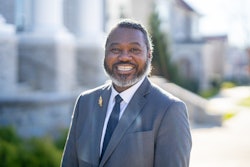
DALLAS — When officers who’d been shot by a sniper in downtown Dallas started showing up at Parkland Memorial Hospital, trauma surgeon Dr. Brian H. Williams went to work, pushing aside the inner conflict he faces every day as a black man who’s fearful when encountering police.
He sees the news about black men dying at the hands of police. He sees the aftermath of those killings and recoils when the victim is demonized or defamed. He’s had his own encounters with police in which he thought he might die. But he also knows the sacrifices that police officers make putting their own lives on the line each day.
His voice quivering as he expressed regret last week at the officers’ deaths at the storied hospital, Williams also gave voice to the intense racial turmoil roiling the country.
“All I wanted to do was save those police officers. And we did everything but we couldn’t do it,” he said with a deep sigh. “I admit I have my own burdens that I carry when I deal with law enforcement, but that was not an issue for me at that time. These were my patients.”
It was near the end of what had been a peaceful protest against recent fatal police shootings that a 25-year-old man wielding a semi-automatic rifle fired on officers who were patrolling the demonstration. The first call came about an officer being shot; moments later, there were a flurry of notifications that even more victims were on the way.
It quickly became evident that something catastrophic had happened. Five officers were killed, nine others were injured as well as two civilians: the deadliest attack on police since 9/11.
The hospital’s hallways were abuzz with activity, the usual rings and beeps of machinery, the doctors and nurses moving in and out of treatment rooms, police lined up in the hallways praying for their wounded colleagues.
Williams reckons he walked back and forth in front of the crowd of officers dozens of times.
“I certainly during that time felt the despair they were going through. I knew that they were angry at this assailant. … It was palpable and I felt it,” Williams told the AP. “But I also had a personal understanding of where that (anger against police) all came from. Not that I condone what happened. I certainly abhor the results. But I can see where the roots of that have been laid. “