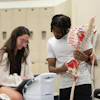
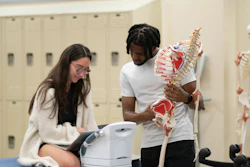
Dental faculty and students perform procedure on a veteran.A.T. Still University
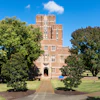
As Veterans Day approaches, a unique program at A.T. Still University Missouri School of Dentistry & Oral Health is transforming lives one smile at a time, providing comprehensive dental care to those who served their country, many of whom have gone years without proper treatment.
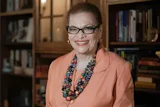
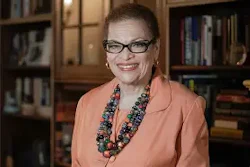
Dr. Herbert Silva, an assistant professor and director of the MOSDOH Smiles for Veterans program, understands the importance of service. A Vietnam veteran who flew close air support missions for Allied Forces and the Marines in 1970, Silva has found a new way to "pay it forward" decades after his military service ended.
A Program Born from Shared Service
 Dr. Herbert Silva,
"Hey, do you have any veterans around here?" Silva recalled asking. "Wouldn't it be cool if we came with veteran faculty and veteran students to treat some of your veterans?"
That simple exchange launched what has become a comprehensive program serving hundreds of veterans across Missouri. Starting with just five male veterans in 2016 who needed full extractions, the program has grown exponentially. The first denture deliveries occurred in 2017, and Silva secured an initial $10,000 grant from the university president after making his case in a letter.
"I wrote a letter to the president of the university and said, 'Hey, this is terrific. You're serving your mission, you're serving the needy, and we've done this, and this is fabulous. Now what?'" Silva said in an interview. The president, he said with a chuckle, "basically told me to put up or shut up."
Silva did anything but shut up. To date, the program has screened more than 2,500 veterans and completed treatment on over 710 individuals. During the most recent annual screening event in July, 161 veterans received free dental exams, care that would typically cost $159 per patient.
Addressing a Critical Gap
The need is staggering. Only about 10 percent of the nation's approximately 18-20 million veterans are eligible for dental care through the VA, primarily those with service-connected disabilities or former prisoners of war. In Missouri alone, with approximately 440,000 veterans, that leaves hundreds of thousands without access to dental treatment.
"The vast majority—do the math, if you start with 20 million, there's 18 million veterans that do not get dental treatment," Silva said. "And the elderly population, in rural communities, they can't get to treatment. There's no people practicing there, and not to mention, they just don't have the funds to take care of it."
The program's partnership with Smiles of Hope in Dexter has been particularly impactful. During a recent three-day clinic with 16 students, the team provided extractions and pre-prosthetic surgery valued at over $350,000 based on typical market rates. Last year, the program delivered more than $1 million worth of dental services.
Comprehensive Care, No Cost
What makes this program unique is its comprehensive approach. Unlike some dental school initiatives that simply offer veterans free parking and a toothbrush around Veterans Day, A.T. Still's program provides complete dental care—from exams and extractions to full and partial dentures, crowns, and root canals. Treatment can take anywhere from a couple of months to a year, depending on complexity, and costs veterans nothing out of pocket.
The program operates without federal funding, sustained instead through grants, donations from students and faculty, and support from the Missouri Dental Association. Silva has even contributed from his own retirement account.
The collaboration with the Federally Qualified Health Center (FQHC) on campus allows the school to serve patients in need while providing third and fourth-year dental students with real-world clinical experience. Many of these students are veterans themselves, some with military obligations to return to service as dentists after graduation.
Building Bonds Beyond Dentistry
Silva's "warm fuzzy," as he calls it, comes from watching his students bond with their veteran patients over multiple visits. The relationships formed through this care extend well beyond clinical procedures. He regularly receives correspondence from graduates who send pictures of veterans they've treated in their own practices or coordinate care with specialists in their communities.
The program has treated veterans ranging from a 100-year-old Guadalcanal survivor to a 99-year-old Iwo Jima veteran, a 93-year-old Korean War veteran who endured the Frozen Chosin campaign, 80-year-olds from Vietnam, and increasingly, younger veterans from Iraq and Afghanistan.
During the annual summer screening, newly entering third-year students complete a month-long orientation Silva calls "boot camp." On the Saturday morning following their completion, 100 to 150 veterans line up, ready to be matched with students who will become their primary dental providers.
"The students bond with the veterans," Silva said. "Since they have anywhere from a half dozen to 15 visits with that veteran, they bond and we get pictures of them when they're completed."
For the dental students themselves, the experience is transformative.
Brittany McCall, a third-year dental student from Virginia and Coast Guard veteran with eight years of service, speaks to the unique connection formed between student veterans and veteran patients.
"There's nothing like that, especially from veteran to veteran talking. It's just that connection," McCall said. "We [service members] gravitate towards each other. It helps us build that connection with them, and I love it."
McCall, who serves as a reservist and hopes to return to military service or work at a VA or community health center after graduation, has been integral to coordinating the program. She works with dental students from first through fourth year, developing her leadership skills while helping to coordinate what she describes as a nonprofit organization aligned with one of her passions.
Zach Schmitt, a third-year student from Kansas, has made the trip to Dexter five times and plans to return in January. He describes the experience as "extremely impactful," noting the dedication of patients who travel from near and far to receive service.
The reality of what students witness is sobering. Many patients arrive with only a few teeth remaining in their entire mouth, unable to eat or smile, reluctant to work—circumstances that, as Schmidt notes, cascade into depression.
"These people are so grateful for the care that they are provided, which is really neat," he said, describing patients who drive hours for extractions, a procedure many would dread. "Having patients come from all over, driving hours just to come and have their teeth extracted—for a lot of us would be a really hard thing to have happen, but the amount of gratitude is incredible."
For Schmitt, the daily morning huddles in his clinical care unit, where Silva reviews forms and workflows for veteran care, serve as a constant reminder of the coordination required and the impact of their work.
A Model for the Nation
Looking ahead, Silva hopes other dental schools across the country will adopt similar programs. The model, he said, is replicable particularly since dental students at every school need to complete dentures and other procedures. And there are veterans in every community where dental schools operate.
Silva, who spent 38 years in private practice in the St. Louis suburbs before joining A.T. Still, shows no signs of slowing down. A former professional soccer referee who trained officials for World Cup matches and a Marine Corps flight instructor, he applies the same dedication to training dental students that he once brought to preparing people for high-pressure situations.
His vision for the program's future is simple: expand awareness and inspire replication.
For the veterans who receive care through the program, the impact goes far beyond oral health. Dental problems that have caused years of pain, difficulty eating and speaking, and social isolation are finally addressed. Families report that their veteran loved ones are smiling again, able to enjoy meals, and regaining confidence in social situations.
The program represents a powerful alignment of educational mission and community service—training the next generation of dentists while honoring those who served their country. And for Silva, it's the fulfillment of a promise made long ago to take care of the troops.
"I learned when I was invincible at 23 years old, we learned to take care of the troops and pay it forward," Silva said. "This is just the transition of how you do that now as a civilian."
To learn more about how to support oral healthcare for veterans, visit: www.giving.atsu.edu/MOSDOH-Veterans