THE MOST PROMISING PLACES TO WORK IN STUDENT AFFAIRS: INSTITUTIONAL PROFILES
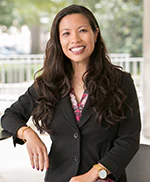
Seton Hall University
A private Catholic research institution in New Jersey, Seton Hall University is the oldest diocesan university in the U.S. There are approximately 5,800 undergraduate students and 4,400 graduate students across nine schools and colleges.
“The past several years have brought significant challenges to higher education, particularly for student affairs professionals. Throughout that time, we have remained focused on community, connection and wellness,” says Dr. Monica N. Burnette, vice president, Division of Student Services.
There are consistent opportunities for professional development and cross-campus dialogue. The Professional Development Series, along with gatherings for directors and emerging leaders, provides spaces to learn together, share experiences and celebrate successes.
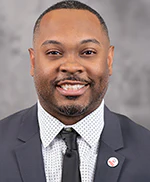
Winston-Salem State University
A public historically Black university in North Carolina, Winston-Salem State University (WSSU) is part of the University of North Carolina system. Founded in 1892, WSSU offers over 40 academic majors and 10 graduate degrees.
“Our team approaches the work with intention and unity, grounded in the belief that every student has extraordinary potential,” says Dr. Shawn D. Odom, interim associate provost and vice chancellor for student affairs. “This student-centered mindset shapes every program, service and interaction, creating an environment where students feel supported, challenged and genuinely valued. The division’s collaborative culture where ideas are welcomed, voices are respected and innovation is encouraged allows us to design experiences that help students thrive academically, socially and personally.”

The State University of New York at Oswego
“Student Affairs at SUNY Oswego is clear in its mission to support the success of students. To achieve this, we need to have staff members who have resources, skills and support necessary to engage in work that is challenging and complex in a collaborative and holistic way,” says Dr. Kathleen G. Kerr, vice president for student affairs. “The wellbeing and professional development of divisional staff is a vital aspect of our ability to achieve this.”
A public institution part of the State University of New York system, SUNY Oswego offers more than 120 undergraduate, graduate and professional based programs across four colleges. “Data drives our decisions to ensure resources are committed where they matter,” says Kerr.
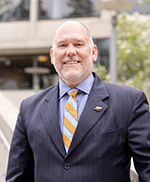
University of California, Berkeley
University of California, Berkeley, is the founding campus in the University of California system and a flagship institution, currently serving over 45,000 students. Dr. Stephen C. Sutton, vice chancellor for student affairs, says this is an outstanding place to work in student affairs because of the people who choose to do this work and the clarity of purpose that guides them.
“Our strategic plan provides a steady framework for that work,” Sutton says. “It helps us stay aligned around transforming the student experience, advancing inclusive excellence and supporting holistic wellbeing for students and staff alike. That shared direction fosters collaboration and accountability across the division.”
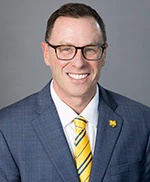
University of Northern Colorado
A public university, the University of Northern Colorado is more than a century old. There are approximately 10,000 students enrolled in six colleges. “Recent years have been challenging, but we have found ways to center joy in our work including flexible work schedules, increased professional development opportunities and maintaining an institutional focus on regular salary adjustments,” says Dr. Keith B. Humphrey, vice president for student affairs.
Data is essential to meeting student needs. Dashboards are currently being built to provide Humphrey and his team real time data on which students are engaging with programs, services, clubs and organizations, among other aspects of student life, and who is not.
University of Texas-Arlington
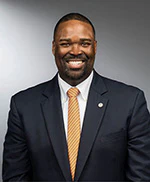
“Every day, our team serves a diverse and ambitious student population, and we are trusted as educators, advocates and partners in their success. That sense of shared purpose creates a culture where the work matters and the people matter,” says Dr. Lowell K. Davis, vice president for student affairs.
The University of Texas at Arlington is a public research university serving more than 40,000 students. Innovation, collaboration and opportunities are key. Data enables student affairs to be proactive in identifying students at risk of feeling disconnected.
“Whether someone is coordinating a campuswide initiative, mentoring a first generation student, or supporting a major institutional event, they understand how their role contributes to the broader mission of the university,” says Davis.

South Louisiana Community College
South Louisiana Community College, established in 1997, has the institutional mission of access, workforce development and community impact. Student Affairs operates within a clearly defined institutional strategic plan that is guided by the pillars that drive priorities, resource allocation and performance outcomes. The culture is collaborative, forward thinking and student-centered.
“This ensures that Student Affairs is not operating in isolation, we are a central driver of student success,” says Dr. Damian M. Glover, interim assistant vice chancellor for student affairs. “Our shared governance structure further strengthens the work environment. Faculty, staff and administrators have meaningful opportunities to shape policy, contribute to planning and influence institutional direction.”

University of Delaware
“Over the past six years, we have focused intentionally on building resilience as a division,” says Dr. José-Luis Riera, vice president for student life and interim campus culture & engagement officer, University of Delaware. “We emphasize transparency in communication, ensuring staff understand not only what decisions are being made, but why. This clarity builds trust and reduces uncertainty during challenging times.”
University of Delaware is a Research 1 institution offering associate, bachelor’s, master’s and doctoral programs across its 10 schools and colleges. Data such as participation metrics, survey responses and program evaluations are utilized to help student life identify trends and any gaps in service.
“We also host listening sessions and invite students to serve on advisory boards and committees,” Riera says. “These interactions allow us to understand the lived experiences behind the numbers.”

Davidson College
A private liberal arts college in Davidson, North Carolina, Davidson College ensures alignment between institutional values and daily practice, which makes Student Life a great place to work. “As a highly residential liberal arts college, we educate the whole student — intellectually, socially, ethically and personally — and Student Life is central to that mission,” says Dr. MarQuita D. Barker, vice president for student life and dean of students.
Barker explains that Student Life combines quantitative data with relational insight. “National instruments such as NSSE and campus-specific surveys help us identify trends in belonging, wellbeing, academic engagement and co-curricular participation,” she says. “We also review case data, conduct data, utilization rates of services and housing patterns to understand emerging needs.”
Howard University
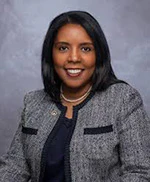
“Howard University’s Division of Student Affairs distinguishes itself as an exceptional workplace, deeply connected to the university’s historic roots and its guiding motto: Truth & Service. This commitment shapes a culture that aims to support students and colleagues alike,” says Dr. Cynthia Evers, senior vice president for student affairs at Howard University, an HBCU with Research 1 status located in Washington, D.C.
Collaboration is at the heart of the division’s approach. The core values of excellence, integrity, inclusivity and service not only define Student Affairs but also inspire how the staff works together and serves its mission with enthusiasm.
“Our division maintains a strong commitment to cultivating a positive work environment by prioritizing the mental, physical and emotional wellbeing of students, staff and faculty,” says Evers. “We deliver and partner with other units to provide structured programming, including wellness initiatives, mindfulness workshops, fitness classes and seminars on stress management and emotional health.”
Ursinus College
A private liberal arts college in Pennsylvania, Ursinus College’s 1,500 students come from all over the U.S. as well as other countries.
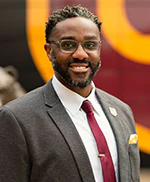
“Ursinus College and its student affairs team are committed to cultivating a holistic and transformative student experience, both inside and outside the classroom,” says Dr. Will Atkins, vice provost/chief student affairs officer and dean of students. “As a team, we recognize that a healthy work environment is a collective responsibility, and we all play a role in the culture we want to see.”
This year, a new app has been launched to align data with the college’s new learning ecosystem, APEX (Applied, Professional, Experiential). “The app, APEX Connect-Powered by Suitable, will allow us to gather data in efficient and meaningful ways. We then prioritize strategic leadership conversations to align our practice with data.”
University of California, Riverside
Aspects of student affairs at University of California, Riverside (UCR), which is part of the University of California system, include residential life, career readiness and in-person events. This public research institution serves a student body of more than 26,000 undergraduate and graduate students.
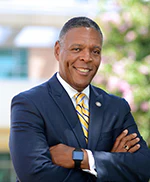
“The last several years have required resilience, clarity and compassion,” says Dr. Brian L. Haynes, vice chancellor for student affairs. “We’ve focused on communication that is transparent and consistent, while also creating space for staff to process change and contribute to solutions.”
In UCR’s recently launched strategic plan, one of the goals details Student Affairs’ intentional commitment to professional development, culture and staff recognition. “Even in moments of uncertainty, we return to our core: student success, belonging and community,” says Haynes. “That common goal keeps us aligned and forward-looking.”
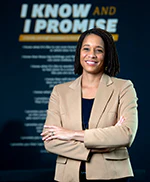
Kent State University
“Our Division of Student Life is grounded in collaboration, care and professional growth,” says Dr. Eboni Pringle, senior vice president, Division of Student Life, at Kent State University, which is recognized for the sixth consecutive year. “We invest intentionally in leadership development and pathways for advancement. We create space for innovation while ensuring staff feel supported and seen. An investment in our people recognizes the value we each hold and a shared commitment to ensuring that those who serve our students are themselves supported, valued and empowered to thrive.”
A public research university in Ohio, Student Life uses data and student engagement together to ensure that the division is both informed and responsive to student needs. Quantitative measures such as retention, engagement metrics, utilization rates and assessment outcomes together with student voices in focus groups, advisory boards and surveys, allows the staff to contextualize the data.
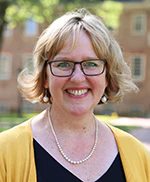
William & Mary
“Research tells us that when we act according to our values, we experience meaning in our effort — and that sense of meaning and purpose can uphold us through many a difficult circumstance,” says Dr. Virginia M. Ambler, senior vice President for Student Affairs & Public Safety. “Across student affairs, and at William & Mary more broadly, we also strive to prioritize relationships. Building honest connections with one another contributes to personal resilience, especially in this age of polarization.”
William & Mary is a public research university in Virginia. Gathering data allows Student Affairs to know when and how desired outcomes are being achieved. “In addition to departmental assessments, our division collects and analyzes data on broader topics that are important to the university as a whole — wellness, mental health, leadership, hazing and campus climate,” says Ambler.
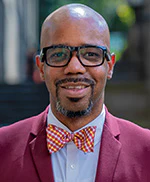
Indiana University-Bloomington
“The Office of Student Life at Indiana University Bloomington combines a deep commitment to student success with a collaborative culture that empowers staff to innovate, support one another and respond meaningfully to the evolving needs of students,” says Dr. Lamar R. Hylton, vice chancellor for student life at Indiana University-Bloomington, the flagship campus of Indiana University and the largest with over 48,000 students.
“Even amid the many challenges of the past six years — including rapid shifts in student expectations and the impacts of the pandemic — our department has maintained a positive environment by prioritizing transparency, professional development and a shared sense of purpose centered on student belonging and wellbeing,” says Hylton. “We regularly bring staff together to reflect, celebrate successes and identify creative solutions to emerging issues.”

University of Albany
“At University of Albany, employee experience and student success are inseparable,” says Dr. Michael N. Christakis, vice president for student affairs & enrollment. “How we support, develop and care for our people directly shapes how we serve our students.”
Part of the State University of New York system, UAlbany is a public research institution that serves more than 16,000 students. Data as well as student voices are crucial to serving students. Key indicators, such as retention trends, housing selection patterns, counseling utilization and participation in experiential learning, are monitored. There are also advisory boards, student leader roundtables, focus groups and everyday conversations.
“The creation of the Thrive Hub — a centralized space integrating wellbeing, financial literacy and career readiness — emerged directly from student feedback about the need for visible, accessible, coordinated support,” says Christakis.
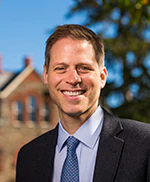
Colgate University
A private liberal arts college in Hamilton, New York, Colgate University was founded more than 200 years ago. In May 2019, the Board of Trustees, faculty and alumni council approved and endorsed the “Third-Century Plan,” a comprehensive plan that seeks to pursue the university’s mission at its highest level. “This plan’s success is predicated on attracting, supporting and retaining outstanding students, faculty and staff,” says Dr. Paul J. McLoughlin II, vice president and dean of the college.
“The staff in student affairs are centered in the success of Colgate’s ambition and exciting commitment to educating students at the highest levels,” says McLoughlin. “This means that the university is invested in staff’s development and focused on creating a positive employment experience.”
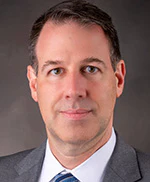
Elon University
This 137-year-old private university in North Carolina serves approximately 7,000 students pursuing undergraduate, master’s and doctoral degrees. Data-informed decision-making and meaningful student engagement are key to effectively serving the students.
“As a Division of Student Life, we continue to invest in the staff that serve our students — their professional development, leadership opportunities, collaboration with faculty and staff, participation in strategic planning and decision-making, and the relationship-rich environment that makes Elon special,” says Dr. Jon Dooley, vice president for student life. “Our mission and values, along with a deep commitment to student success, have helped us weather the turbulence in higher education and student affairs. We work hard to maintain focus on what is most important.”
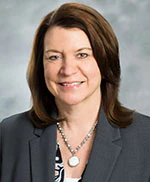
University of North Carolina Greensboro
A public research university, University of North Carolina Greensboro (UNC Greensboro) has been recognized as a leader in creating economic mobility and social impact through education. The Division of Student Affairs plays an integral role in serving the university’s diverse population and commitment to student success. Data informs the design and implementation of programs to better understand the student experience.
“Combined with implementing the institution’s remote work policy, we have enhanced ongoing learning opportunities and found ways to implement employee engagement strategies across the division,” says Dr. Cathy Akens, vice chancellor for student affairs. “We strive to make new members feel welcomed through our onboarding process, and we celebrate personal and professional successes regularly.”
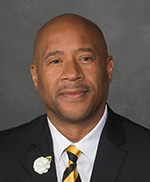
Virginia Commonwealth University
“Student success and engagement guide every decision, and our staff are central to our mission,” says Dr. Aaron J. Hart, vice president, Division of Student Affairs at Virginia Commonwealth University (VCU). A public research university with undergraduate and graduate students, VCU prioritizes employee wellbeing through advocacy, development and a supportive environment.
“We created stronger recognition practices and a staff engagement group to gather feedback, strengthen connection and ensure employees feel valued and heard,” Hart says. “During challenging moments, we also use ad hoc committees that include staff at all levels, so decisions are collaborative rather than top down. Grounding our work in student success sustains shared purpose and motivation.”

Lehigh University
“Lehigh University’s Division of Student Affairs is defined by a deeply collaborative and student-centered environment,” says Dr. Katherine W. Lavinder, vice president for student affairs. “The workplace is characterized by a positive, supportive atmosphere where an outstanding team makes a meaningful impact. This synergy of talent and purpose is further supported by a culture that prioritizes staff wellbeing and professional development.”
Lehigh is a private research university in Pennsylvania, designated a Carnegie Classification R1 very high research institution. The Student Affairs team utilizes Lehigh’s bLUeprint, which is a four-phase, co-curricular student life curriculum that has five foundations: creative curiosity, identity development, healthy connections, critical consciousness and strategic adaptability.
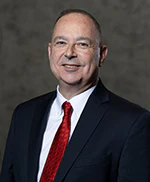
Rensselaer Polytechnic Institute
A private research university in Troy, New York, Rensselaer Polytechnic Institute (RPI) is the oldest technological university in the Western Hemisphere. Collaboration is a central value for student affairs, along with tenacity, engagement and continuous learning.
“Our emphasis on work-life balance reflects intentional efforts to promote wellbeing and sustainable work practices,” says Dr. Robert D. Hradsky, vice provost for the student experience. “The division also invests meaningfully in professional development and growth, providing mentorship, training, leadership development opportunities and clear pathways for advancement.”
Direct student engagement along with data ensure that student needs are understood and addressed in meaningful ways. “We meet regularly with student government, the student advisory council and other student leaders to gather real-time feedback and better understand the context behind the data,” says Hradsky. “Frontline staff and the Student Experience leadership team also provide valuable on-the-ground insights into emerging concerns and student trends.”

Miami University
A public research university in Ohio, Miami University serves over 20,000 undergraduate and graduate students in its seven schools and colleges. The individuals who work in Student Life have a culture of trust and stability in the resources they’re able to access to serve students.
Dr. Jayne E. Brownell, senior vice president, Student Life, says among the distinguishing characteristics are empowered innovation, strategic focus and staff connections. “We are intentional about the small things that build a big culture,” she says. “This has fostered a genuine environment of mutual respect where staff truly like and support one another.”
There is a year-long leadership development program, SL Leads, co-working days, and on “no meeting” days, staff are encouraged to get out on campus and connect with other offices.
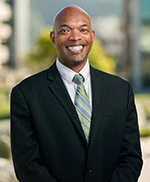
California Polytechnic State University-San Luis Obispo
Founded in 1901, California Polytechnic State University-San Luis Obispo is the oldest of three polytechnic universities in the California State University system. As of fall 2025, it has approximately 22,000 undergraduate and 900 graduate students. Programs include engineering, architecture and business.
“Our talented, collaborative and student-centered team makes Cal Poly an outstanding place to work in student affairs,” says Terrance Harris, vice president of strategic enrollment management and student affairs. “We’re committed to supporting each staff member in being their best selves. To that end, we encourage participating in professional development opportunities and invested in a peer-to-peer recognition program designed to strengthen staff wellbeing, morale and belonging. Our incredible staff uplift one another each day through teamwork, mutual respect and a shared belief in the potential of every student.”
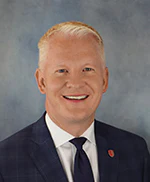
Stony Brook University
A culture of excellence, professional development opportunities, workplace diversity and inclusion practices, and a community of team members committed to enhancing student life are all present in Student Affairs at Stony Brook University, a flagship institution in the State University of New York system.
“Open communication is a cornerstone of our organizational culture,” says Dr. Richard Gatteau, vice president for student affairs. “Senior leadership hosts monthly all-staff meetings to keep members of the team informed on divisional and university priorities, initiatives, programs and upcoming events.”
Beyond formal meetings, the vice president periodically hosts informal lunches open to any staff member, creating space for candid conversation, questions and an open exchange of ideas.

California State University, Long Beach
“We believe that excellent student outcomes begin with a workforce that feels supported, valued and connected to purpose,” says Dr. Beth Lesen, vice president, student affairs, California State University, Long Beach (CSULB). “The last six years have brought extraordinary and sustained challenges, and we have been intentional about how we support our people through them.”
Part of the California State University system, CSULB is a public research university classified as Research 2, serving more than 40,000 undergraduate and graduate students.
“We use data and student engagement together as complementary tools to understand student needs and continuously improve how we serve them,” says Lesen. “Quantitative data helps us identify patterns and gaps, while direct engagement with students provides the context, nuance and lived experience needed to respond effectively.”
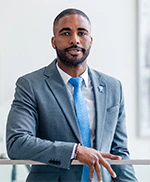
Ithaca College
Founded in 1892, Ithaca College is a private institution in upstate New York. The college offers more than 100 degree programs across its five schools. The Student Affairs web page notes: “Student Affairs and Campus Life fosters the comprehensive growth of students, their academic success, and community development by providing learning opportunities and experiences as well as essential services for all members of the College community.”
The division supports more the 150 student clubs and organizations, provides healthcare and counseling, oversees housing and residential life programs for 4,400 residential students, including the first-year residential experience program, and coordinates campus events, such as family weekend and commencement.
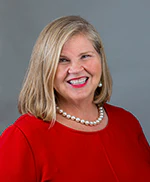
University of Maryland-College Park
The largest university in the state and flagship institution of the University System of Maryland, University of Maryland, College Park, is a public land-grant research university serving over 40,000 students at its 11 schools and colleges. Dr. Patty Perillo, vice president for student affairs, speaks of the shared commitment to student learning and development as a driving force of positive energy.
“The intentional way our division centers people, mission and continuous improvement in connecting our daily work to the educational mission of the institution,” says Perillo. “We understand student affairs professionals are not seen simply as service providers, but as educators who co-create the environment, experiences and communities where students practice leadership, build resilience, navigate difference and develop a sense of purpose and belonging.”
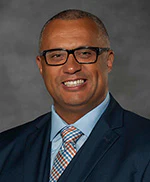
New Mexico Institute of Mining and Technology
“At New Mexico Tech, we know college is more than coursework — it’s about growth, exploration and building lifelong connections,” says Dr. David L. Greene, vice president for student affairs at the New Mexico Institute of Mining and Technology (NMT). “The Division of Student Affairs is all about supporting our students’ journeys by providing dynamic programs, valuable resources and a vibrant campus experience designed to help them succeed academically and personally.”
NMT is a public university offering more than 30 undergraduate and graduate degrees to over 1,500 students. “NMT is a hub for discovery, where students, faculty and staff collaborate to shape the future,” says Greene. “Our faculty and staff are dedicated to helping our students to succeed and we encourage students to take advantage of their knowledge, mentorship and guidance.”
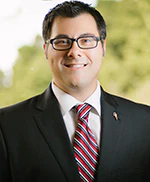
Lynn University
A private university in Florida, Lynn University offers associate, bachelor’s, master’s and doctoral degree programs. Founded in 1962, there are currently about 3,500 students. Data plays a central role in how needs are assessed and resources allocated. Trend data is regularly reviewed to ensure students receive timely support and to identify gaps where additional services and collaborations may be needed.
“Central to our success is building a highly motivated and talented team and then creating space for them to contribute meaningfully to dialogue, decision-making and program development,” says Dr. Anthony R. Altieri, vice president for student affairs at Lynn University. “This approach not only strengthens our work but also fosters ownership and accountability.”